


Habitat for Humanity Expands Vision and Housing Model
By Andrea Harwood
Habitat for Humanity of Northern Saratoga, Warren and Washington Counties is expanding the traditional one-house-a-year building model under which they’ve operated for years. The organizations plans to build a 25-unit mixed income condominium development in Queensbury.
“Habitat for Humanity is so excited to expand beyond our bread and butter model of single family residences in order to support more people,” said Adam Feldman, Executive Director of the organization.
The property is located on Baybridge, off of Bay Rd on the way to SUNY Adirondack. The parcel is located at Fairfield Properties.
The purpose of the Fairfield property is to provide more home-buying opportunities to more families. The mixed-income project will follow a condominium model of separate ownership of individual units and joint ownership of common areas such as stairways and yard space. Owners receive a deed just as they would when buying a single family home.
The mixed-income condominium model was successfully executed by Habitat for Humanity Sarasota in Florida, in 2002. The organization created a 72-unit mixed-income condominium development for the express purpose of homeownership. A similar mixed-income housing system development was successfully created by Habitat for Humanity of Greater Charlottesville in West Virginia.
The Fairfield development will feature owner-occupied units between $175,000 and $350,000 of varying sizes and floor plans. Approximately 30% of the units will be earmarked for purchase byt low- to moderate-income Habitat for Humanity partner families.
Homeownership is one of the primary indicators of generational gains against poverty. As homes have increased in size and cost, the traditional “starter-home” is harder and harder to find. The median home price in Glens Falls is currently $182,000 as of September 2022, according to Redfin.com.
The mixed-income housing model is specifically intended to create a living environment that creates neighborhoods of diverse income levels and housing types. Studies show this model tends to raise the standard of living for all inhabitants of the neighborhood.
The Fairfield condos will be built by a professional contractor, as opposed to the traditional use of volunteers. Volunteers will still have lots of opportunities to help out at other build sites.
Approaching homeownership through a condominium model will allow Habitat to utilize the economy of scale. Construction on a 25 unit condominium project is much quicker, more efficient and more affordable per unit than building one single family home at a time.
The current affordable housing crisis was the impetus to adding to the traditional approach, said Feldman. Starter homes are difficult to find in the area, making it hard for the workforce population to find affordable housing near the places they work. This impacts the availability of labor at places like coffee shops, restaurants and hospitals, said Feldman. The fallout is that places of business are forced to have decreased hours of operation, which impacts the business, the employees and the entire community.
“The workforce is leaving our community because there is nowhere for them to live where they can afford - and COVID has only made things worse,” said Feldman.
Glens Falls has traditionally been an affordable place to live, he said, but prices during COVID rose tremendously. According to Redfin.com, Glens Falls housing sales price per square foot increased 25.7% since last year. As builders move to constructing larger and larger homes, the traditional “starter home” has become increasingly harder to find.
“Habitat has been pondering away for the past 3 or 4 years on how to support as many people as possible in our community,” said Feldman. “We took ideas of scale from the for-profit market and applied them to the non-profit market to support the workforce in our community.”
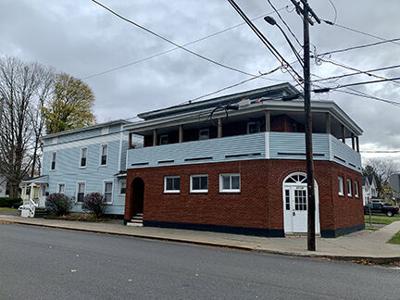
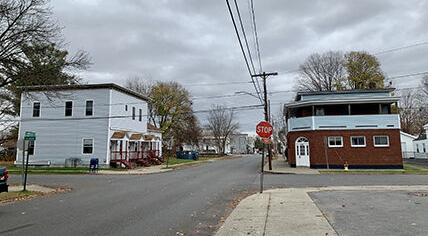
Habitat for Humanity is applying the scalable vision to a more immediate project as well with a 10-unit apartment development work on Lawrence Street. The organization is partnering with the WAIT House to provide transitional housing for young families getting on their feet after experiencing homelessness. The housing model will allow both organizations to serve multiple families at a time, applying the economy of scale to human services.
Habitat for Humanity would like to build additional condominium developments in pockets of the Northern Saratoga, Warren and Washington Counties region. The organization is seeking additional building and development partners - including municipalities - who are interested in building condominium developments with a minimum density of 8-12 units around the region. Habitat’s primary focus is to support the workforce with affordable housing in the Northern Saratoga, Warren and Washington Counties. Builders, contractors and other interested partners should contact Executive Director Adam Feldman at executivedirector@glensfallshabitat.org.


