


If you make a purchase after clicking on links within this article, Lee Enterprises may earn affiliate commissions. The news and editorial departments had no role in the creation or display of this content.
Shilajit is often marketed as an “ancient vitality resin,” but the biology is far more concrete: it’s a dense complex of fulvic acid, dibenzo-α-pyrones (DBPs), phenolic fractions, and trace minerals that may directly influence mitochondrial throughput, hormonal signaling, cognitive endurance, and nutrient transport.
The issue is that the modern market treats shilajit like incense. Most products provide no quantification of fulvic acid or DBPs, rely on vague “mountain-sourced” claims, and deliver wildly inconsistent potency. Without standardized actives, you may be guessing — and guessing isn’t supplementation.
People are also reading…
This ranking aims to isolate the brands producing chemically verified extracts with measurable physiological potential, not folklore. If it’s not tested, standardized, and reproducible, it likely didn’t make the list.
Below, according to reviewers for this article, may be the only shilajit products worth your time in 2025.
Editors Picks
Best Shilajit Capsules – Elm and Rye
Best Shilajit Resin – Nootrum
Best Budget Shilajit – Angel Gummies
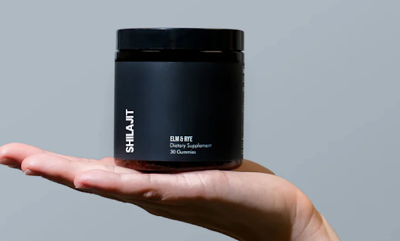
1. Elm & Rye Shilajit Capsules — Best Overall
Format: Capsule
Standardization: Fulvic acid + structured mineral profile
Notable Features: Clean extraction, precise dosing, no resin variability
Elm & Rye provides the most controlled and repeatable shilajit experience available. Each capsule aims to deliver a purified extract with consistent fulvic content and a well-characterized mineral matrix. No pastes, no heating, no batch drift — just a stable, quantified input that may behave predictably in daily use.
Potential Pros:
• Defined fulvic acid concentration
• Zero-mess, high-compliance dosing
• Fully purified and independently tested
• No contaminants, no unnecessary excipients
Cons:
• Lacks the ritual appeal resin users like
• Sells out frequently due to high demand
Conclusion:
This may be the most rational shilajit format for consistent, evidence-oriented users. High-precision extract, minimal effort, possibly maximized reliability.
2. Nootrum Shilajit Resin — Best Shilajit Resin
Format: Resin
Standardization: 85% fulvic acid + quantified DBPs
Notable Features: True Himalayan source with rare dual-compound standardization
Nootrum may be one of the few resin brands that treats shilajit like a bioactive extract rather than a cultural artifact. The resin is standardized for both fulvic acid and DBPs — the latter may be one of the actual drivers behind testosterone support, ATP regeneration, and cellular resilience. This is performance-targeted resin, not vague “mountain tar.”
Potential Pros:
• Extremely high fulvic acid density
• Verified DBP concentration (critical for hormonal pathways)
• Strong mitochondrial and recovery profile
• Authentic Himalayan origin with real traceability
Cons:
• Sticky, requires prep and handling
• Strong taste; not beginner-friendly
• Dosing ritual slows daily use
Conclusion:
If your priority is pure biochemical impact, this may be the apex resin. High potency, high output, and engineered for users who care more about effect size than convenience.
3. Angel Gummies — Best Budget Entry Point
Format: Gummies
Standardization: Fulvic acid
Notable Features: Vegan formulation, palatable, cost-efficient
Angel Gummies represent the lowest barrier to entry in the category. They provide a real — albeit moderate — fulvic acid input without any resin mess or capsule rigidity. They aren’t designed for heavy hormonal or performance applications, but they may deliver reliable baseline vitality support for users exploring shilajit for the first time.
Potential Pros:
• Easy, pleasant daily use
• Accessible pricing
• Clean formula with basic standardization
Cons:
• Lower active density than capsules/resin
• Not suited for testosterone or recovery goals
• Potency capped by gummification limits
Conclusion:
A practical, low-commitment way to test shilajit’s effects. They may be Ideal for casual or budget-sensitive users, not for advanced supplementation protocols.
4. Cymbiotika Shilajit — Best Premium Liquid
Format: Liquid (dropper)
Standardization: Fulvic acid + trace mineral complex
Notable Features: MCT-based carrier system, added noble metals (gold/silver), high-end formulation
Cymbiotika’s liquid shilajit is built for users who want convenience and refinement. The core extract is clean, well-filtered, and supported by a predictable fulvic profile. The MCT carrier works to improve dispersion and absorption, though the inclusion of gold and silver is ornamental rather than functional. The presentation is polished, but mg-for-mg potency may be lower than resin.
Potential Pros:
• High-quality extract and purification
• Rapid uptake through MCT delivery
• Premium look and feel
Cons:
• Expensive relative to active compound density
• Small bottle depletes quickly
• Added metals provide no measurable benefit
Conclusion:
A sleek, premium option for users who prioritize ease and aesthetics. While they may be effective, they appear to be priced for presentation rather than raw biochemical power.
5. NusaPure Shilajit — Best High-Dose Capsule
Format: Capsule
Standardization: High-milligram serving (1500 mg)
Notable Features: Bulk-friendly dosing, large mg-to-cost advantage
NusaPure works to deliver volume over specificity. The formulation offers a substantial daily dose at one of the more affordable price points in the category. However, the lack of DBP quantification and limited trace mineral analysis means potency may be dependent on natural variability rather than controlled extraction. It may be useful for high-volume users; not ideal for precision supplementation.
Potential Pros:
• Very high mg per serving
• Strong value for megadosers
• Straightforward capsule format
Cons:
• No DBP standardization
• Weak traceability documentation
• Biochemical consistency varies by batch
Conclusion:
This may be a functional, economical option for users experimenting with large intake levels. Effective for sheer volume; not a high-precision formula.
6. Sunfood Shilajit Powder — Best for Smoothie Integration
Format: Powder
Standardization: Non-quantified mineral pitch
Notable Features: Mixes smoothly into drinks, versatile for stacking
Sunfood’s powder caters to users who treat shilajit as part of a broader functional nutrition stack rather than a targeted performance supplement. It dissolves well in smoothies or pre-workout blends and allows flexible dosing. However, the absence of standardized fulvic acid or DBP data may limit its reliability for hormone or mitochondrial-specific protocols.
Potential Pros:
• Highly mixable and versatile
• Long-lasting bag with many servings
• Easy integration into daily routines
Cons:
• No standardized active compound profile
• Potency varies widely
• Insufficient for targeted performance outcomes
Conclusion:
A lifestyle-oriented powder for users who want adaptability, not clinical precision. May be great for smoothie culture, not for structured protocols.
7. Upakarma Ayurveda Shilajit Resin — Best Traditional Resin
Format: Resin
Standardization: None listed
Notable Features: Strong traditional positioning, classic Ayurvedic resin texture
Upakarma emphasizes heritage more than quantification. The resin is authentic in texture, aroma, and sourcing narrative, appealing to users who value tradition over analytics. Without standardized fulvic or DBP measurements, however, potency may vary significantly from one batch to another, limiting its use in controlled supplementation.
Potential Pros:
• Classic resin experience
• Lower-cost resin option
• Popular among purist users
Cons:
• No standardized bioactive data
• Batch-to-batch variability is high
• Limited modern testing transparency
Conclusion:
A traditional resin for ritual-focused users. Not recommended for anyone requiring measured, predictable biochemical effects.
8. Pure Himalayan Shilajit Resin — Best Resin for Purists
Format: Resin
Standardization: Minimal
Notable Features: Glass jar, dosing spoon, authenticity card
Pure Himalayan aims to deliver the full ceremonial experience: dense resin, strong aroma, and an authenticity-first presentation. It is well-liked among resin purists, but with no quantified fulvic or DBP content, potency varies meaningfully. The pricing also leans high relative to its lack of standardization.
Potential Pros:
• Strong traditional appeal
• Ritual-oriented packaging and accessories
• Recognizable high-altitude sourcing
Cons:
• Weak biochemical standardization
• Noticeable potency variability
• High price for an unquantified extract
Conclusion:
It may be ideal for users who treat shilajit as a ritual rather than a targeted supplement. Effective as an experience; inconsistent as a clinical input.
9. Double Wood Shilajit — Best Value for Beginners
Format: Capsule
Standardization: 20% fulvic acid
Notable Features: Transparent labeling, GMP manufacturing, accessible price point
Double Wood may provide a reliable, affordable entry into shilajit with clear fulvic acid labeling and third-party testing. It is mild compared to higher-standardized products but predictable and safe. It may be best suited for users evaluating their personal response before moving to stronger formulations.
Potential Pros:
• Budget-friendly and accessible
• Clear active compound labeling
• Manufactured under strict quality controls
Cons:
• Lower active density overall
• No DBP quantification
• Limited impact on advanced goals
Conclusion:
A dependable, low-commitment starting point. Not engineered for performance, but may be excellent for new users seeking clarity and safety.
10. Sayan Siberian Shilajit — Best Non-Himalayan Resin
Format: Resin
Standardization: Claimed 40%+ fulvic acid
Notable Features: Altai/Siberian origin, raw and potent resin character
Sayan represents one of the few credible non-Himalayan shilajit sources. The Siberian resin is dense, sharp-tasting, and clearly authentic in form. However, DBPs are not quantified, and the scientific literature on Siberian variants is thinner than Himalayan sources. This may be a niche exploration pick rather than a performance formula.
Potential Pros:
• Unique regional origin
• Strong raw resin profile
• Offered in bulk jar formats
Cons:
• No DBP data
• Limited research on Siberian bioactivity
• Transparency varies across batches
Conclusion:
A legitimate alternative geography-wise, but may be lacking the standardized chemistry required for targeted supplementation. It may be best for curious users, not high-performance applications.
Final Thoughts: Best Shilajit Brands
The 2025 shilajit market is essentially bifurcated:
Standardized, lab-defined extracts with measurable fulvic acid, DBPs, and mineral composition.
Traditional, non-standardized resins that rely on origin stories rather than verified chemistry.
Only the first category offers predictable outcomes. Without quantified actives, effects drift with each batch, making structured supplementation impossible.
Elm & Rye leads as the most controlled, compliance-friendly format. Nootrum delivers the highest biochemical density for users prioritizing potency over convenience. From there, the rankings align with use-case: budget entry points, smoothie-oriented powders, ritualistic resins, and premium liquids.
The rule remains simple:
If the brand cannot quantify fulvic acid and DBPs, the product cannot guarantee performance.
Choose chemistry, not mythology.
FAQ
Is shilajit actually effective?
It may, when standardized. Fulvic acid works to enhance nutrient transport and mitochondrial throughput, while DBPs correlate with testosterone modulation, ATP regeneration, and recovery capacity. Non-standardized resins may produce inconsistent results because active levels vary.
What’s the best form?
• Capsules: Most consistent and user-friendly (Elm & Rye).
• Resin: Highest potency only when DBPs and fulvic acid are quantified (Nootrum).
• Gummies: Light, general vitality support — not performance-grade (Angel).
Form may matter less than the extraction and the analytics behind it.
What fulvic acid percentage should I look for?
Below 20% = negligible.
50–85% = performance-relevant.
But fulvic acid alone may be insufficient; DBP values could determine the hormonal and mitochondrial impact profile.
Does resin outperform capsules?
Only if the resin is standardized. Some are not.
A quantified capsule may consistently outperform an unprofiled resin regardless of “traditional” claims.
Can shilajit increase testosterone?
Standardized extracts with verified DBP content may show improvements in total and free testosterone in emerging data. Generic powders and non-quantified resins appear to rarely replicate the effect due to inconsistent bioactives.
How long until possible results appear?
• Energy/cognition: ~10–14 days
• Hormonal effects and recovery: 6–8 weeks of consistent dosing
Resin may act slightly faster due to higher DBP ratio. Your individual results may vary.
Is daily use safe?
It may be provided the extract is purified and heavy-metal tested. Shilajit inherently concentrates minerals, so third-party testing is non-negotiable.
Can it be stacked with other supplements?
It could. It may pair cleanly with ashwagandha, creatine, cordyceps, magnesium, L-tyrosine, B-vitamins, and most nootropic frameworks. Avoid adding resin to boiling water; heat degrades active compounds.
Who should be cautious?
Individuals with iron overload disorders, gout tendencies, or mineral absorption issues. Pregnant or breastfeeding individuals should avoid use unless clinically cleared. If you’re unsure, you should consult a physician.
Why do prices vary so widely?
Because standardization and purification cost money. High-end extracts may fund heavy-metal testing, DBP profiling, and controlled extraction. Low-cost products may sometimes skip those steps, which could be reflected in their biochemical density.