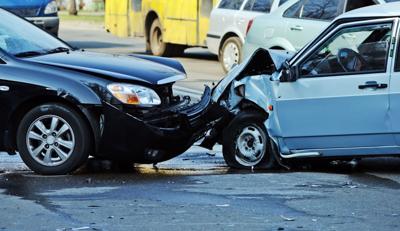



Photo provided by DepositPhotos
Traffic injuries and crashes remain a persistent public safety concern across the United States. While national trends often dominate the discussion, city-level data shows that risk varies widely by infrastructure, vehicle mix, and travel behavior. Recent data from Newark, New Jersey, illustrates how one mid-sized city’s crash rates compare with broader U.S. patterns and highlights areas where local and national safety concerns intersect.
National Traffic Safety Trends: A Mixed Picture
Across the country, traffic fatalities and serious injuries have fluctuated over the past decade, even as vehicle safety technology and enforcement efforts have expanded. Federal crash reporting shows that tens of thousands of traffic fatalities occur each year, with trends influenced by economic conditions, travel volume, and policy shifts.
People are also reading…
Multiple federal reports show that fatal crashes increased sharply in certain post-pandemic years, while vehicle miles traveled fell below historical norms earlier in that period. This suggests a higher crash risk per mile during some years.
Long-term safety improvements have also slowed. National analyses point to distracted driving, speeding, and a growing share of larger vehicles on U.S. roads as contributing factors. Risk patterns differ further when motorcycles and heavy trucks are involved. Riders face greater exposure due to limited physical protection, while trucks increase injury severity in mixed traffic due to their size and stopping distance.
Newark’s Crash Rates in Context (2016 to 2020)
Local and state records show notable variation in Newark’s reported crash rates between 2016 and 2020. When adjusted per 100,000 residents, crash rates rose from 569.8 in 2017 to 1,004.6 in 2019 before declining to 842.4 in 2020. Census estimates show Newark’s population remained relatively stable during this period, indicating these shifts reflect changes in crash frequency rather than population growth.
Year | Crashes | Population | Crashes per 100,000 |
2016 | 1782 | 280,612 | 635.0 |
2017 | 1,603 | 281,340 | 569.8 |
2018 | 2,069 | 282,223 | 733.1 |
2019 | 2,842 | 282,903 | 1004.6 |
2020 | 2,380 | 282,520 | 842.4 |
Crash data from ArcGris Hub and population data. Data includes crashes ranging from minor injuries to fatalities.
Although this dataset does not separate fatal, injury, and property-damage crashes, the increase in per-capita crash rates during 2018 and 2019 mirrors broader national concerns about rising urban crash risk in those years. Federal transportation assessments note that construction activity, enforcement levels, and commuter behavior can influence short-term changes in urban crash patterns.
Breaking Down Risk by Vehicle Type
Vehicle type plays a major role in injury outcomes. Passenger cars account for the largest share of crashes because they make up most vehicles on the road, though risk varies based on vehicle age, safety features, and driver behavior.
Trucks, particularly medium- and heavy-duty vehicles, are associated with more severe outcomes due to size and weight differences. Nationwide freight activity has increased exposure, while federal reviews show that safety technologies reduce certain crash types when widely adopted.
Motorcycles carry a much higher risk per mile traveled. National data consistently show elevated injury and fatality rates for riders, underscoring the role of visibility, rider training, and protective equipment.
City-level data separating these categories for Newark would allow more precise analysis. In its absence, national crash type trends provide a useful reference point for understanding likely local risk factors.
What This Means for Local Safety and Policy
Fluctuating per-capita crash rates carry practical implications for cities:
- Transportation agencies can justify investments in safer street design, traffic calming, and clearer separation between vehicle types.
- Community groups gain support for targeted education and enforcement tied to documented trends.
- Road users benefit from a clearer context that frames local risk within national patterns.
Crashes that result in injuries often raise practical questions about fault, insurance coverage, and recovery timelines. Publicly available legal education resources can help explain how injury-related claims are typically handled after a collision, especially when medical treatment or lost income is involved. General guidance from a car accident lawyer, such as Newark based Personal Injury law firm Goldstein & Goldstein can provide context on how these situations are commonly evaluated without turning the discussion into a case-specific or promotional narrative.
Broader Implications for Traffic Safety Culture
Comparing Newark’s crash data with national injury trends shows both alignment and divergence. Large-scale influences such as vehicle technology and enforcement shape outcomes nationwide, while local street design and travel patterns affect daily risk.
Cities that track and interpret local data alongside established national benchmarks are better positioned to reduce injuries and adapt safety strategies as transportation systems change. Understanding where local experience fits within national patterns supports a more informed and responsive approach to roadway safety.