


When a prospective resident enters one of Centers Health Care’s skilled nursing, rehabilitation and senior care facilities across New York and New Jersey, they’re greeted by the latest in infection prevention, including alcohol-based hand gel, disposable face masks and friendly posters reminding them to cough and sneeze into the crevice of their elbows.
Centers Health Care follows the updated guidance from the Centers for Disease Control and Prevention called “enhanced barrier precautions.” These procedures, along with updated cleaning and disinfecting practices throughout the facilities, significantly reduce the risks of viral and bacterial transmission between residents, said Bonnie Chustz, MSN Ed, RN, CIC, LTC-CIP, corporate director of education and professional development at Centers Health Care.
The facilities have updated their emergency preparedness plans to capitalize on what they learned during the COVID-19 pandemic, while recognizing how challenging it is to prepare for the unknown.
Chustz recalled the difficulty in locating basic personal protective equipment, like gloves and masks, and cleaning supplies during the height of COVID. “We had to pretty much fend for ourselves, finding PPE wherever we could find it, along with alcohol-based hand gel and cleaners and disinfectants that were effective against COVID.”
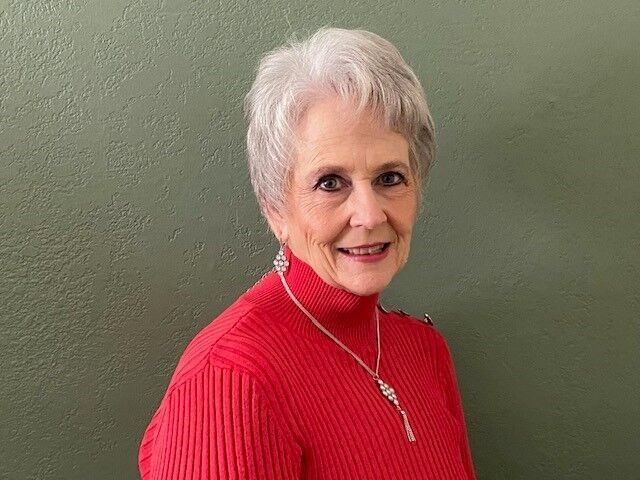
Bonnie Chustz, MSN Ed, RN, CIC, LTC-CIP
Unlike hospitals and other health care facilities that offer temporary stays, Centers Health Care is home to hundreds in an intimate and comfortable environment where many of whom share rooms with one or two other residents. Should one person become ill with a contagious infection, staff immediately intervene to maintain the health and safety of the facility’s other residents.
“Let’s say a resident has symptoms suggestive of COVID — maybe they didn’t have them before they were admitted, but now they have them — if possible, we’re going to put them in a private room or not let them have a roommate until we can test them and see what is going on,” said Chustz.
However, isolation is also a key concern. Chustz emphasized the importance of social interactions to residents’ quality of life. Centers Health Care follows the Centers for Medicare and Medicaid Services regulations by controlling the spread of an infection in the “least restrictive” way possible for the resident under the circumstances.
“We don’t put all of the residents in isolation just because they have an infection unless it’s really necessary,” she said, adding that those who prefer to keep to themselves during heightened periods, like cold and flu season, can social distance if they wish.
“It’s a matter of balancing hand hygiene, wearing personal protective equipment and managing infections to still allow as much freedom as possible to residents to improve their quality of life,” said Chustz.
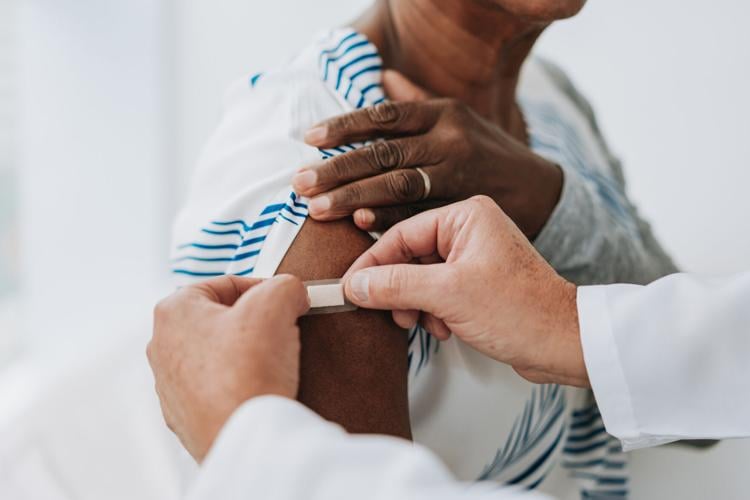
Vaccines have also played a large role in helping Centers Health Care with prevention and control.
“Since COVID, there’s been a much greater awareness of immunization,” said Chustz. “While there is some degree of immunization fatigue, generally speaking, facilities have increased their encouragement of the COVID vaccine, the RSV vaccination and the influenza vaccinations.”
With their experience and subsequent changes to protocol, Centers Health Care facilities are fully prepared to tackle viruses and bacteria that come their way.
For more information on the Centers Health Care network, visit centershealthcare.com.